Global power shifts are playing out in the Red Sea region: why this is where the rules are changing Federico Donelli, University of Trieste The competition for global influence and control is shifting. One of the places where this dynamic is playing out is the Red Sea region, which encompasses
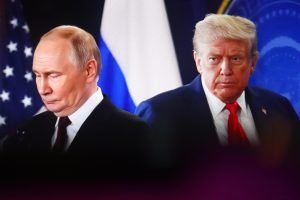
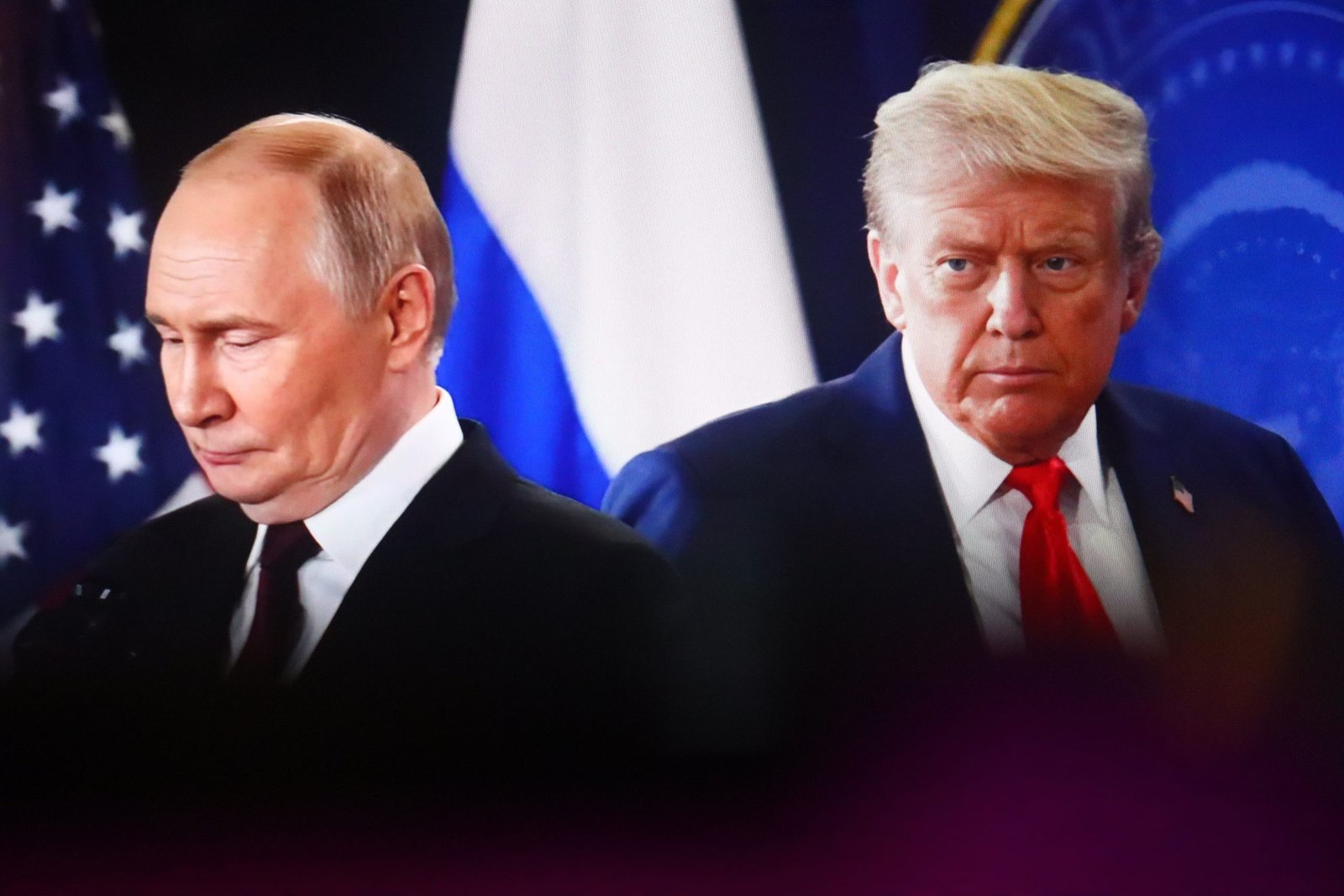
Introduction President Donald Trump recently accused Russia of conducting underground nuclear tests, while President Vladimir Putin, responding to U.S. discussions about providing Ukraine with Tomahawk missiles, warned that such a move would mark a “qualitatively new stage of escalation.”[1] These developments signal a renewed rise in U.S.-Russia tensions and highlight
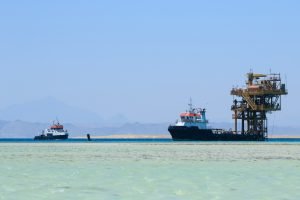
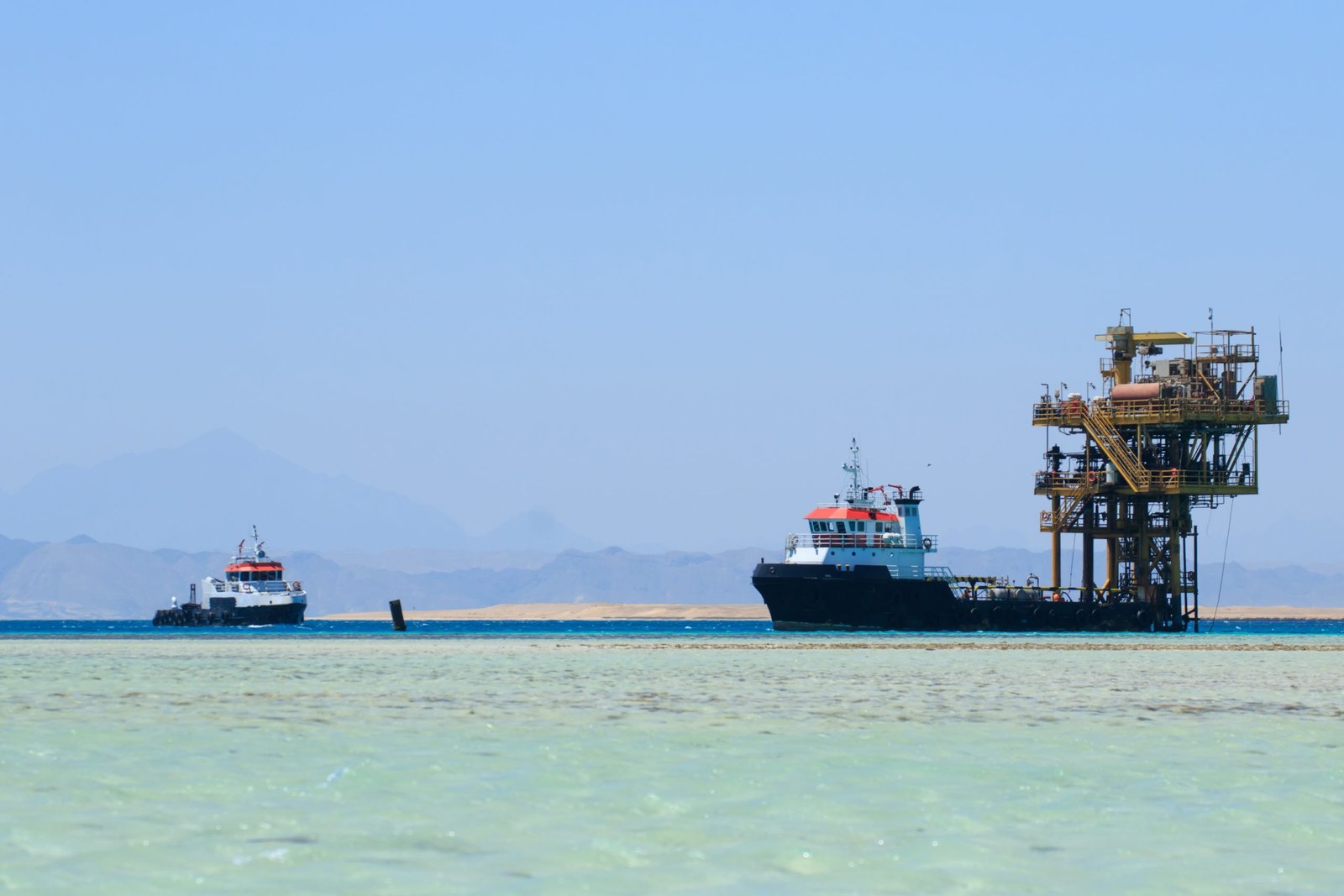
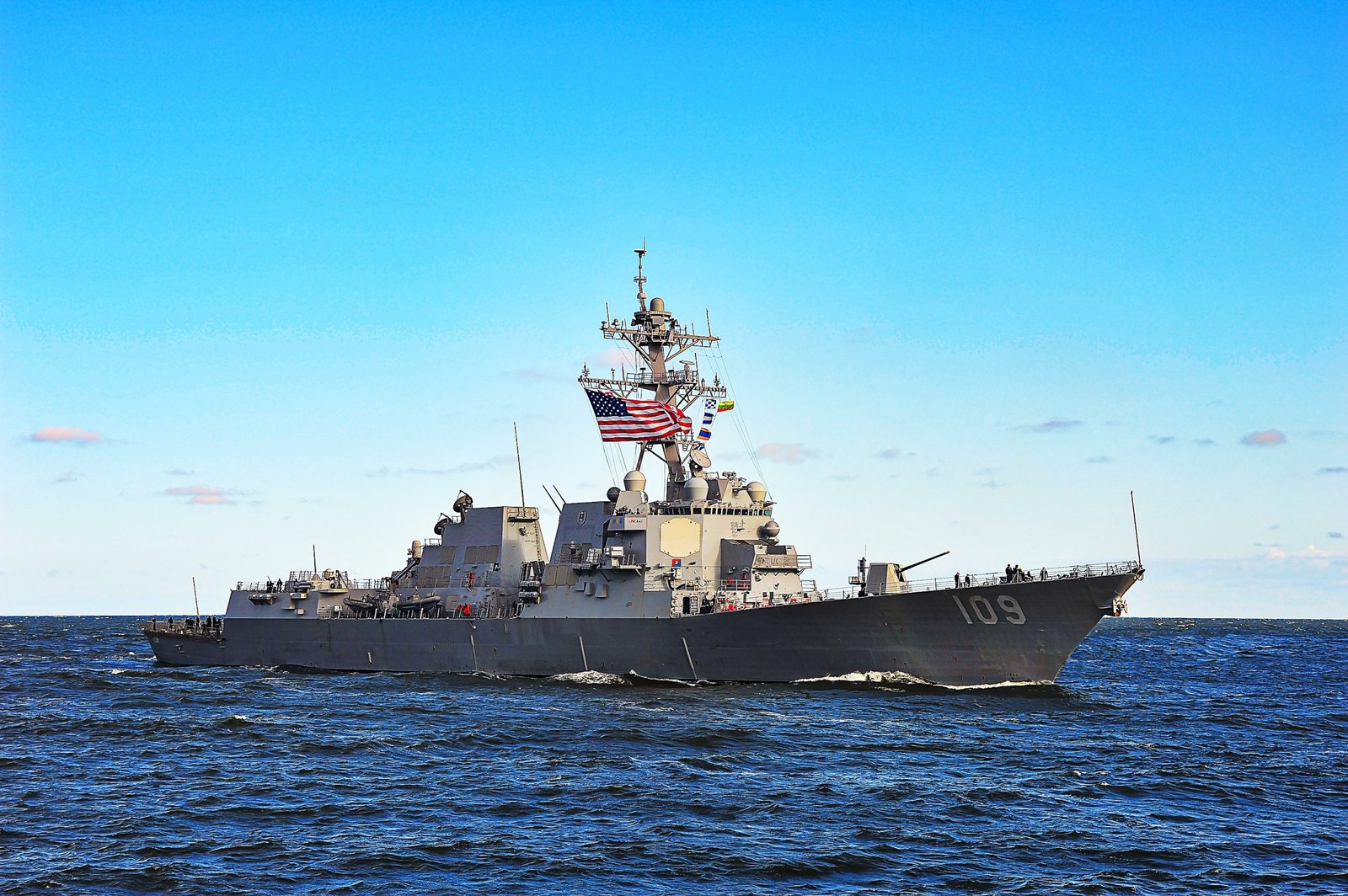
The Red Sea has shifted from a central shipping lane to a strategically important area linking Africa, Arabia, the Indo-Pacific, and global powers. The distinction between land and sea is fading — as are old assumptions about regional order. From Peripheral Sea to Global Chokepoint Long seen as a peripheral
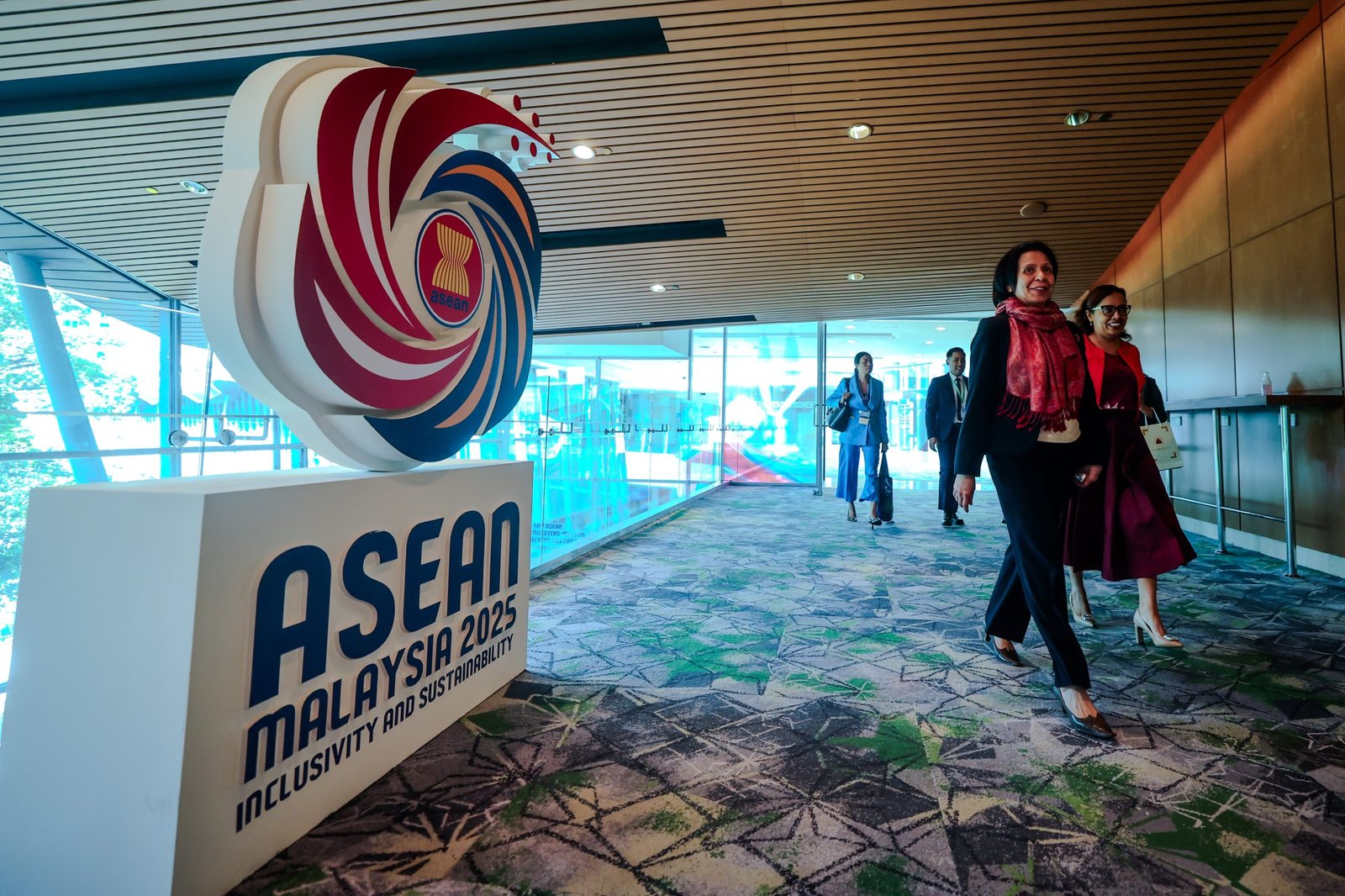
From October 25 to 28, the ASEAN 47th Summit in Kuala Lumpur became the world’s most important diplomatic scenario. The summit gathered thirty heads of state and government, including U.S. President Donald Trump and Chinese Premier Li Qiang. The gathering, thus, has been crucial not only for the future of
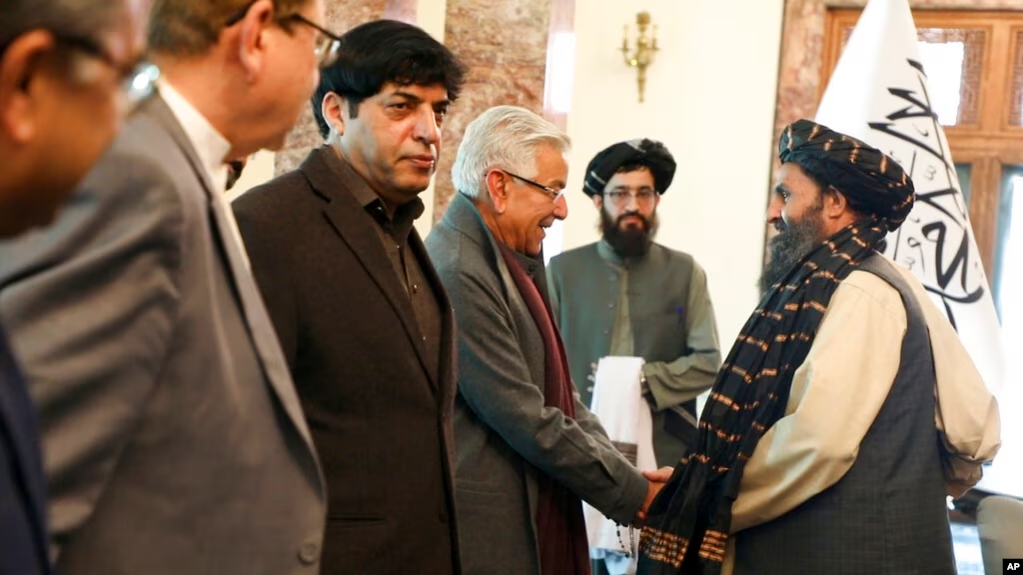
Introduction In October 2025, cross-border conflict surged between Afghanistan and Pakistan over allegations of terrorist safe havens in Afghanistan and drone strikes carried out by Pakistan, reaching the deadliest levels since the Taliban seized power of Afghanistan in August 2021. After several days of fighting, Afghanistan and Pakistan agreed to
Introduction In September 2025, the United States conducted a series of airstrikes against suspected drug traffickers operating off Venezuela’s coast, marking the first publicly known instance of U.S. airstrikes being used against traffickers at sea outside a traditional warzone. The strikes reflect a sharp escalation in counternarcotics operations. This article
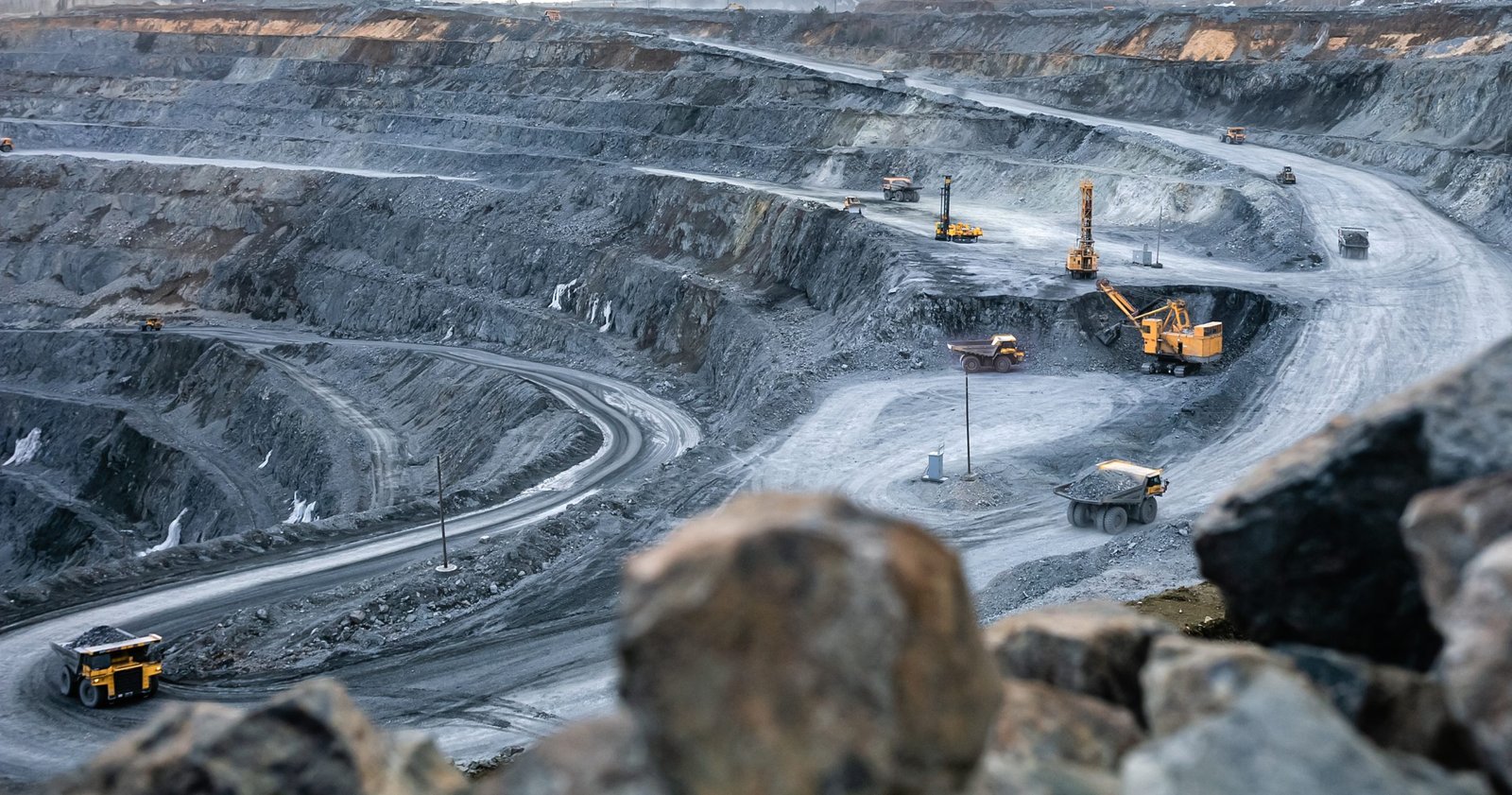
In this episode of Orion Talks, host Marta Furlan talks with Mehmet Metehan Ciftci about the socio-political harms linked to the mining of critical minerals. The conversation starts with Mete explaining the paradox of green minerals being extracted in the Global South, where their harmful impacts are felt, and end
Executive Summary At the beginning of the Cold War in the 1950’s the United States and the Soviet Union competed with arms and technology exports in their respective regions of influence. After the Soviet Union collapsed, Russia sold much of its Cold War-era military and technology arsenal to Soviet satellites,
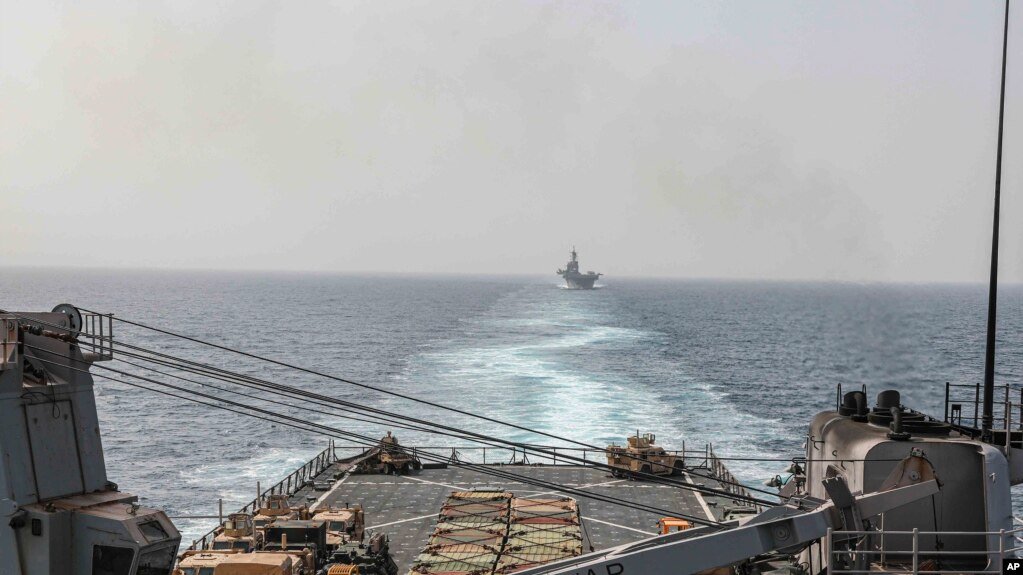
Amidst threats to U.S. interests in the Red Sea and competition for regional influence, the United States must reassess its military posture in the Horn of Africa. The Horn of Africa, which includes Djibouti, Eritrea, Ethiopia, and Somalia, sits at the junction of global trade and strategic competition, commanding access
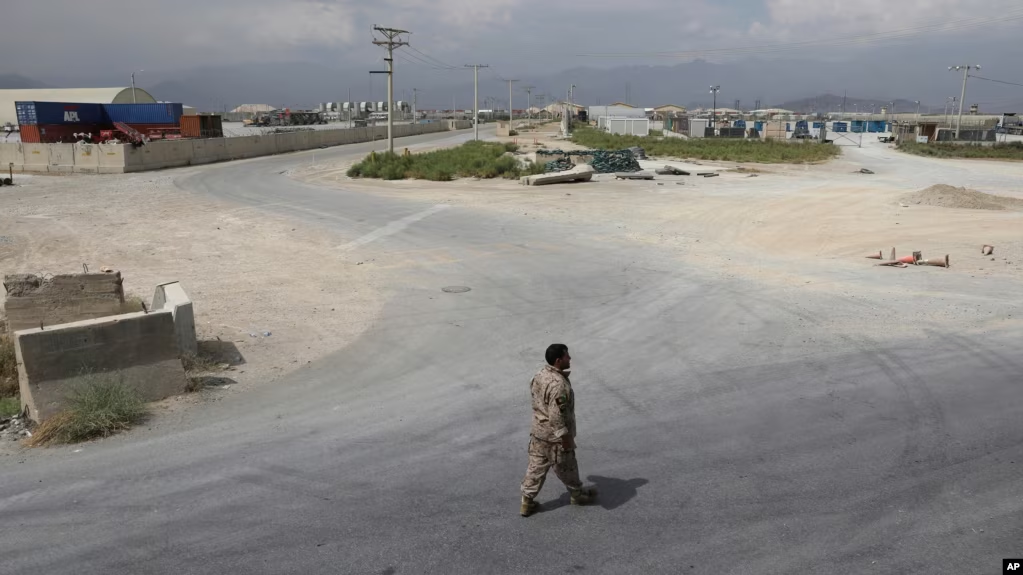
Recently, the U.S. has expressed the importance of who controls the Bagram Air Base in Afghanistan. In President Trump’s first cabinet meeting since returning to office, he and Secretary of Defense, Pete Hegseth, discussed the United States’ withdrawal from Afghanistan and subsequent loss of Bagram Air Base. In the meeting,
In recent years, Russian mercenaries in West Africa have gained considerable notoriety for, on the one hand, propping up post-coup military juntas and, on the other hand, suffering setbacks when supporting those juntas’ counter-insurgency efforts. For example, 87 Russian fighters who were part of Africa Corps (formerly known as Wagner
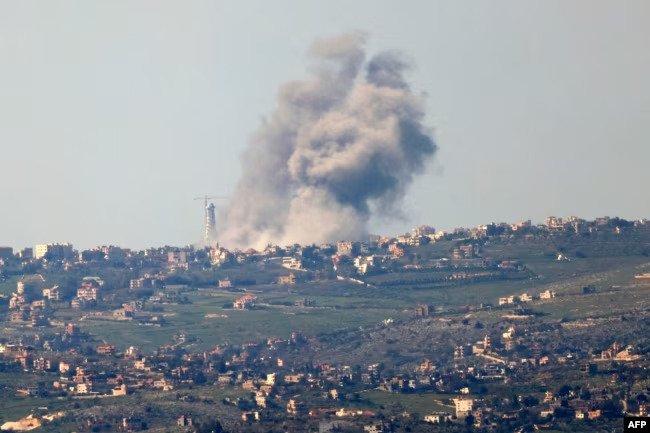
In this episode of Orion Talks, host Marta Furlan is joined by Kawa Hassan to discuss the Israel-Lebanon war and its implications for the region. The conversation starts with a reflection on the implications of the death of Hassan Nasrallah and other top Hezbollah leaders may have on Hezbollah as